Related Articles


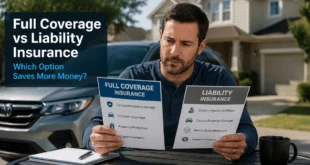
Choosing the right car insurance policy in the United States can feel confusing, especially when drivers must decide between full coverage insurance and liability insurance. Many people choose the cheapest option without fully understanding what their policy actually covers until an accident happens.
In 2026, insurance premiums continue to rise across many US states, making it even more important to understand the difference between these two types of coverage before requesting an insurance quote.
Some drivers only need basic liability protection, while others may require stronger financial coverage for newer or expensive vehicles. The right choice often depends on your budget, car value, driving habits, state requirements, and personal financial situation.
This guide explains the real differences between liability and full coverage insurance, including average costs, deductibles, claim protection, coverage options, state examples, and real-world driving scenarios.
What Is Liability Insurance?
Liability insurance is the minimum insurance coverage required in most US states. It helps pay for damages or injuries you cause to other people during an accident.
However, liability insurance usually does not cover damage to your own vehicle.
Liability Coverage Typically Includes
- Bodily injury liability
- Property damage liability
- Legal costs in some cases
If you cause an accident, your liability insurance policy may help pay for:
- Other driver medical bills
- Vehicle repair costs
- Property damage claims
- Legal settlement expenses
What Is Full Coverage Insurance?
Full coverage insurance offers more complete financial protection.
This type of insurance policy usually combines:
- Liability insurance
- Collision coverage
- Comprehensive coverage
Unlike liability insurance, full coverage may help pay for damage to your own vehicle after accidents, theft, weather damage, vandalism, or animal collisions.
What Does Full Coverage Include?
Collision Coverage
Collision insurance helps repair or replace your car after:
- Accidents
- Vehicle collisions
- Single-car crashes
Comprehensive Coverage
Comprehensive insurance protects against:
- Theft
- Fire
- Floods
- Storm damage
- Falling objects
- Vandalism
Liability Protection
Full coverage still includes standard liability protection required by state law.
Liability vs Full Coverage Comparison Table
| Feature | Liability Insurance | Full Coverage Insurance |
|---|---|---|
| Covers other driver damages | Yes | Yes |
| Covers your vehicle damage | No | Yes |
| Theft protection | No | Yes |
| Storm or flood damage | No | Yes |
| Required by law | Usually yes | No |
| Monthly premium | Lower | Higher |
| Deductible required | Usually no | Yes |
| Best for older vehicles | Yes | Sometimes |
| Best for financed vehicles | No | Yes |
Average Insurance Cost in the USA (2026)
Insurance premiums vary depending on:
- State
- Driving history
- Age
- Vehicle type
- Credit score
- Deductible amount
Average Liability Insurance Cost
- Around $65–$120 per month
Average Full Coverage Insurance Cost
- Around $145–$280 per month
Full coverage costs more because it provides stronger protection and higher claim payouts.
Understanding Deductibles
A deductible is the amount you pay before your insurance company covers the remaining cost.
Example:
- Vehicle repair cost: $4,000
- Deductible: $500
- Insurance company pays: $3,500
Liability insurance usually does not involve deductibles for damage to your own car because your vehicle is not covered.
Full coverage policies normally include deductibles for collision and comprehensive claims.
State Examples: Insurance Cost Differences
Insurance costs can vary heavily between states.
California
Liability Insurance
- Around $90–$140 monthly
Full Coverage
- Around $180–$320 monthly
California drivers often pay higher premiums because of traffic density and accident risk.
Texas
Liability Insurance
- Around $70–$115 monthly
Full Coverage
- Around $155–$265 monthly
Texas weather-related claims can increase comprehensive insurance costs.
Florida
Liability Insurance
- Around $110–$170 monthly
Full Coverage
- Around $240–$390 monthly
Florida remains one of the most expensive insurance markets because of hurricanes, fraud claims, and uninsured drivers.
Ohio
Liability Insurance
- Around $50–$85 monthly
Full Coverage
- Around $120–$210 monthly
Ohio drivers generally enjoy lower insurance premiums.
Real Scenarios: Which Coverage Makes More Sense?
Scenario 1: Older Vehicle Owner
If your car is worth only a few thousand dollars, liability insurance may be enough.
Example:
- 12-year-old sedan
- Low market value
- Paid-off vehicle
Paying high full coverage premiums may not be financially practical.
Scenario 2: New Car Financing
If your vehicle is financed or leased, lenders usually require full coverage insurance.
Example:
- New SUV
- Monthly financing payments
- Expensive repair costs
Full coverage helps protect your investment.
Scenario 3: High Theft Area
Drivers living in cities with higher theft or vandalism rates may benefit from comprehensive coverage.
Scenario 4: Young Drivers
Young drivers often face expensive insurance premiums. Some choose liability insurance to lower monthly costs, but this may increase financial risk after accidents.
Best Insurance Providers for Full Coverage
State Farm
Known for reliable claim handling and broad coverage options.
Average Full Coverage Premium
- Around $160–$240 monthly
GEICO
Popular for affordable insurance quotes and lower deductibles.
Average Full Coverage Premium
- Around $145–$220 monthly
Progressive
Offers flexible policy customization and strong online tools.
Average Full Coverage Premium
- Around $170–$260 monthly
Allstate
Provides premium-level protection with accident forgiveness options.
Average Full Coverage Premium
- Around $190–$320 monthly
Best Insurance Providers for Liability Coverage
GEICO
Affordable liability policies for budget-conscious drivers.
USAA
Excellent rates for military members and families.
Nationwide
Balanced pricing and good customer support.
Travelers
Reliable low-cost liability insurance in many states.
Insurance Quotes: Why Comparing Matters
Before purchasing any insurance policy, drivers should compare multiple insurance quotes.
Insurance companies calculate premiums differently, so rates may vary significantly for the same driver.
Comparing quotes can help you:
- Save money
- Find better deductibles
- Improve coverage
- Access more discounts
When Full Coverage Is Worth It
Full coverage insurance may be worth it if:
- Your vehicle is newer
- You have financing
- Repair costs would hurt financially
- You drive frequently
- Your state has high accident risk
- Your area experiences severe weather
When Liability Insurance Makes More Sense
Liability insurance may work better if:
- Your vehicle is older
- The car has low market value
- You want lower premiums
- You drive less often
- You can afford repair costs yourself
Common Mistakes Drivers Make
Choosing Only the Cheapest Policy
Cheap premiums often mean limited protection.
Ignoring Deductibles
Many drivers focus only on monthly costs and forget about claim deductibles.
Not Reviewing State Requirements
Every state has different minimum liability requirements.
Failing to Compare Providers
Insurance quotes can vary by hundreds of dollars yearly.
SEO & Insurance Search Trends in 2026
Search interest for terms like:
- full coverage insurance
- liability insurance
- cheap insurance quote
- affordable car insurance
continues to grow in the United States.
Drivers are increasingly searching for flexible policies with lower premiums and better claim support.
FAQ
Is full coverage better than liability insurance?
Full coverage provides stronger financial protection, but liability insurance is cheaper.
Is full coverage required by law?
No. Most states only require minimum liability insurance.
Why is full coverage more expensive?
Full coverage protects both your vehicle and other drivers, increasing claim risk for insurance companies.
What deductible should I choose?
Higher deductibles usually lower premiums, while lower deductibles increase monthly insurance costs.
Which insurance company has the cheapest full coverage?
GEICO and State Farm often provide competitive full coverage quotes.
Can I switch from full coverage to liability insurance?
Yes, especially if your vehicle is older or fully paid off.
Final Thoughts
The choice between liability insurance and full coverage insurance depends on your financial situation, vehicle value, driving habits, and personal risk tolerance.
Drivers with newer vehicles or financed cars often benefit from the stronger protection offered by full coverage policies. Meanwhile, drivers with older vehicles may prefer cheaper liability insurance to reduce monthly premiums.
Before purchasing any insurance policy, compare multiple quotes, understand deductible costs, and carefully review coverage options to make the best financial decision for your needs in 2026.