Related Articles

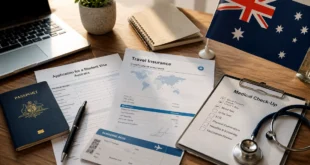

Family travel insurance is one of the most important things to arrange before travelling abroad with your spouse, children, parents, or elderly relatives in 2026. A family trip can be exciting, but it also carries more responsibility because one small problem can affect everyone travelling together.
When a child becomes sick during a trip, an elderly parent needs urgent medical care, luggage is delayed, a flight is cancelled, or a family member needs hospital treatment abroad, the cost and stress can become serious very quickly. A good family travel insurance policy can help protect your health, money, documents, and travel plan when something unexpected happens.
This guide explains how to choose the best international family travel insurance in 2026, what coverage matters most, how visa rules differ by destination, what families should compare before buying, and what common mistakes to avoid.
Family Travel Insurance: Quick Answer
Family travel insurance should cover emergency medical treatment, hospital care, doctor visits, medical evacuation, repatriation, baggage loss, travel delays, trip cancellation, trip interruption, prescription medicine after covered emergencies, and 24/7 emergency assistance. The best policy should list every family member correctly, cover the full travel dates, match the destination, and clearly explain rules for children, seniors, pregnancy, and pre-existing medical conditions.
Why Family Travel Insurance Matters in 2026
Travelling with family is different from travelling alone. When you travel alone, one passport, one bag, one ticket, and one medical risk are involved. When a family travels together, there may be children, parents, grandparents, multiple passports, several bags, different health needs, and more chances for delays or emergencies.
Family travel insurance helps reduce the pressure when something goes wrong. It can help with medical emergencies, hospital visits, lost luggage, cancelled flights, trip interruption, and emergency return home. It can also give you a support number to call when you are in another country and do not know where to go.
Families from Nigeria, South Africa, Ghana, Bangladesh, India, Pakistan, UAE, Canada, the UK, and other countries often travel for tourism, family visits, study support, work relocation, weddings, graduations, religious trips, and medical reasons. Each trip may need a different level of cover.
A good policy does not make travel risk disappear completely. But it can make problems easier to manage and reduce the chance that one emergency ruins the whole journey.
What Should Family Travel Insurance Cover?
Before buying family travel insurance, look beyond the price. A cheap policy may look attractive, but it may not protect your family properly when you need help. Read the benefit table, policy wording, exclusions, and claim process before paying.
Emergency medical treatment: This is the most important benefit. It helps if a family member suddenly becomes sick or injured during the trip.
Hospital care: Hospital bills can be expensive in many countries, especially the United States, Canada, Australia, the UK private sector, and parts of Europe.
Medical evacuation: If suitable care is not available nearby, this benefit may help transfer the patient to another facility.
Repatriation: This is important in serious medical emergencies or death. Some visa rules also expect repatriation coverage.
Baggage protection: Families often travel with more luggage, so baggage delay, damage, or loss can create real problems.
Trip cancellation: If you need to cancel your family trip for a covered reason, this benefit may help recover prepaid costs.
Trip interruption: If your trip starts but has to end early because of a covered emergency, this can help with extra costs.
Travel delay: Delays are harder when children or elderly parents are travelling. Food, hotel, and transport costs can add up.
Emergency assistance: A 24/7 support line can guide you during medical emergencies, document problems, or urgent travel issues.
Family Travel Insurance for Visa Applications
Some visa applications require travel medical insurance, while others only recommend it. The rules depend on your destination, passport, visa type, length of stay, and purpose of travel.
For Schengen visas, travel medical insurance is normally a required document. The policy should cover emergency medical care, hospitalisation, and repatriation. It should also be valid across the Schengen area and cover the full intended stay.
For the USA, travel medical insurance may not be compulsory for every visitor visa applicant, but it is strongly recommended because healthcare costs can be high. Families visiting parents, children, or relatives in the United States should compare medical limits carefully.
For Canada, visitor insurance is important for families, and special categories such as Super Visa applicants have specific health insurance expectations. For Australia, visitors are generally advised to arrange adequate health insurance because they may be responsible for healthcare costs. For the UK, visitor visa applicants usually do not pay the Immigration Health Surcharge, but medical costs can still apply depending on the treatment.
If you are travelling to the United States as a family, read our related guide on USA family visa insurance in 2026.
Family Travel Insurance for Children
Children need special attention when choosing family travel insurance. A child may get fever, allergy, stomach upset, ear infection, minor injury, or need urgent doctor care during travel. Parents should make sure every child is listed on the policy.
Before buying, check whether the policy covers:
- Emergency doctor visits for children
- Hospital care
- Prescription medicine after covered treatment
- Baggage cover for children’s items
- Travel delay support
- Trip cancellation or interruption
- Emergency assistance for parents
- Age limits for child dependants
If children are travelling with only one parent, grandparents, or relatives, keep permission documents, passport copies, emergency contacts, and insurance details ready. A child’s policy is only useful if the details are correct and accessible during an emergency.
Family Travel Insurance for Elderly Parents
Many families travel with elderly parents or invite parents to visit them abroad. This is common for USA, Canada, UK, Australia, UAE, and Schengen trips. Older travellers should not buy the cheapest policy without checking the medical rules.
Seniors may have higher medical risks, regular medicine, previous surgery, diabetes, high blood pressure, heart conditions, asthma, arthritis, or other health concerns. Some policies cover older travellers, but premiums, medical limits, deductibles, and exclusions may be different.
Pre-existing conditions are especially important. A policy may exclude old medical conditions, or it may offer limited cover for acute onset under specific rules. Families should read the wording carefully and avoid guessing.
Before elderly parents travel, it is wise to do a basic health checkup and collect prescriptions. You can read this health guide from our own health site: complete health checkup guide before travel.
Single-Trip vs Annual Family Travel Insurance
Families usually choose between single-trip and annual multi-trip insurance. The right option depends on how often your family travels.
Single-trip family travel insurance covers one specific journey. It is usually suitable for families taking one vacation, one visa trip, one family visit, or one event abroad.
Annual multi-trip family travel insurance covers multiple trips within a year, subject to policy limits. It can be useful for families who travel several times a year for work, study, family visits, or holidays.
Annual cover may look convenient, but check the maximum length allowed per trip. Some annual plans limit each trip to a certain number of days. If your family takes long trips, a single-trip plan may be better.
Destination-Specific Family Travel Insurance
Not every destination has the same healthcare cost or visa requirement. Family travel insurance should match the country you are visiting.
United States: Families should look for strong medical limits because healthcare can be expensive. Pay attention to emergency room care, deductibles, and pre-existing condition rules.
Canada: Families visiting relatives should check visitor medical insurance. Parents and grandparents applying for Super Visa should follow the specific insurance rules for that category.
Schengen countries: Family travel insurance should meet Schengen visa medical insurance rules if you are applying for a visa.
United Kingdom: Visitor visa applicants should understand that NHS access can involve charges. Private travel insurance can help with medical and travel risks.
Australia: Visitors should arrange adequate health cover because overseas visitors may be responsible for healthcare costs.
If your family is planning an Australia trip, read our detailed guide on Australia visa insurance in 2026.
Family Travel Insurance for Nigerians, South Africans, and Ghanaians
Many families from Nigeria, South Africa, and Ghana travel abroad for tourism, study support, family visits, jobs, medical care, business events, and religious trips. The right family travel insurance can depend on the destination and visa purpose.
Nigerian families applying for Schengen, UK, USA, Canada, Australia, UAE, or South Africa trips should check visa-specific insurance requirements and make sure every family member is included. South African families travelling to Europe, the USA, UK, or Canada should also compare medical limits and destination rules.
For Nigerian travellers, this related guide may help: international travel insurance for Nigerians in 2026.
For South Africa-related planning, you can also read our guide on travel insurance for South Africa visa applicants.
What Family Travel Insurance May Not Cover
Every policy has exclusions. Families should read these carefully before buying. A policy can look strong on the sales page, but the exclusions explain what the insurer will not pay for.
Common exclusions may include:
- Pre-existing conditions not declared or not covered
- Planned medical treatment abroad
- Pregnancy-related claims after certain limits
- High-risk sports or adventure activities
- Travel against official warnings
- Alcohol or drug-related incidents
- Undeclared work-related activities
- Claims without proper documents or receipts
- Losses caused by careless handling of belongings
Do not assume your family is covered for everything. If you are unsure, ask the insurer before paying.
How to Compare Family Travel Insurance Plans
Comparing family travel insurance is easier when you focus on real needs instead of only price. A cheaper plan may be fine for a short low-risk trip, but it may not be enough for a long stay, elderly parents, USA travel, or families with medical history.
| Feature | Why It Matters for Families |
|---|---|
| Medical coverage limit | Protects against emergency healthcare costs abroad |
| Family member list | Every traveller must be named correctly on the policy |
| Destination validity | The policy should cover all countries you will visit |
| Policy dates | Cover should begin before departure and end after return |
| Pre-existing conditions | Important for elderly parents and travellers with medical history |
| Baggage cover | Useful because families often travel with multiple bags |
| Trip cancellation | Protects prepaid travel costs for covered reasons |
| Emergency assistance | Helps when families need urgent support abroad |
How Much Family Travel Insurance Do You Need?
The right amount depends on your destination, family size, ages, health conditions, trip length, and planned activities. A family visiting the USA for three months may need stronger medical cover than a family taking a short regional holiday.
Families travelling with elderly parents should consider higher medical limits and better emergency coverage. Families with children should check doctor visits, hospital care, and emergency support. Families visiting multiple countries should make sure every destination is included.
Do not buy family travel insurance only to satisfy a visa checklist. Buy it because your family may genuinely need help during travel.
Documents to Keep Before Family Travel
After buying family travel insurance, organise your documents before departure. In an emergency, you should not waste time searching through emails.
- Insurance certificate
- Policy wording
- Benefit schedule
- Payment receipt
- Emergency assistance number
- Claim instructions
- Passport copies for all travellers
- Visa copies or appointment documents
- Flight itinerary
- Accommodation address
- Medical prescriptions
- Children’s health records, if needed
- Emergency family contact list
Save digital copies and print important pages. Share a copy with a trusted family member at home and with another adult travelling with you.
Common Mistakes Families Should Avoid
Many families buy insurance quickly and regret it later. These mistakes are common but avoidable.
Leaving someone out: Make sure every traveller is listed correctly, including children and elderly parents.
Wrong travel dates: The policy should cover the full journey from departure to return.
Choosing low medical limits: This is risky for destinations with high healthcare costs.
Ignoring pre-existing conditions: Families travelling with seniors should check this carefully.
Not checking visa rules: Some destinations have specific insurance requirements.
Using one policy for the wrong purpose: A normal tourist plan may not cover work, study, or planned medical treatment.
Not keeping documents: Insurance is harder to use if you cannot find the certificate, emergency number, or claim instructions.
When Should Families Buy Travel Insurance?
The best time to buy family travel insurance is after your travel dates are clear and before your trip begins. If your visa application requires insurance, buy it before submission. If you want trip cancellation benefits, buying earlier may be better, depending on the policy terms.
Do not wait until the last night before departure. Buying early gives you time to check names, dates, destinations, medical limits, and family members. If there is a mistake, you can correct it before travelling.
If your travel dates change, update your policy. A policy that starts late or ends early can leave your family with a coverage gap.
Related Reading
- Best International Travel Insurance for Nigerians in 2026
- USA Family Visa Insurance 2026
- Canada Work Visa Insurance 2026
- UK Visa Health Insurance 2026
- Australia Visa Insurance 2026
FAQs About Family Travel Insurance
What is family travel insurance?
Family travel insurance is a travel insurance policy that covers more than one family member under one plan or connected coverage. It can include emergency medical care, baggage protection, travel delays, trip cancellation, and emergency assistance, depending on the policy.
Is family travel insurance required for visa applications?
It depends on the destination and visa type. Schengen visa applicants usually need travel medical insurance. Other countries may strongly recommend it even when it is not compulsory. Always check the latest visa checklist before applying.
Does family travel insurance cover children?
Yes, many family policies can cover children, but every child must be listed correctly. Check age limits, medical benefits, baggage cover, and emergency support before buying.
Can elderly parents be included in family travel insurance?
Some policies cover elderly parents, but age limits, premiums, medical limits, and pre-existing condition rules may differ. Read the policy carefully before adding seniors.
Does family travel insurance cover pre-existing conditions?
Not always. Some policies exclude pre-existing conditions, while others may offer limited cover or special add-ons. Families should check this before buying, especially for parents and older travellers.
Is annual family travel insurance better than single-trip cover?
Annual cover may be better for families who travel several times a year. Single-trip cover may be better for one specific journey. Compare trip length limits, destination coverage, and family member rules before choosing.
Can family travel insurance guarantee visa approval?
No. Insurance cannot guarantee visa approval. Visa decisions depend on eligibility, documents, travel purpose, financial proof, family ties, immigration rules, and other application factors.
Final Verdict
Family travel insurance is a smart choice for families travelling abroad in 2026. It can protect children, parents, elderly relatives, and spouses from unexpected medical bills, travel delays, lost luggage, and emergency problems.
The best policy is not always the cheapest one. Choose family travel insurance that matches your destination, visa type, travel dates, family size, health condition, and planned activities. Pay special attention to seniors, children, pre-existing conditions, and countries with high healthcare costs.
Before buying, compare benefits, read exclusions, check every traveller’s name, keep documents ready, and make sure emergency numbers are easy to find. A well-prepared family can travel with more confidence and fewer worries.
Disclaimer: This article is for general information only. Travel insurance benefits, visa rules, healthcare costs, medical coverage limits, family policy conditions, and claim rules can change. Always confirm the latest details with the embassy, visa centre, insurer, broker, airline, healthcare provider, or official authority before making a final decision.